Modish Font: Giving Your Small Business a Vintage Vibe with Professional Appeal
Why Font Choice Matters for Your Brand Identity
As a small business owner, every visual element you choose plays a role in how customers perceive your brand. Typography is no exception. The right font can make your logo more memorable, your packaging more appealing, and your digital content more engaging. Modish, a new retro display font, offers a stylish yet practical way to bring a touch of vintage charm to your brand while maintaining a professional and cohesive look across all customer touchpoints.
Introducing Modish: A Retro-Inspired Display Font with Modern Appeal
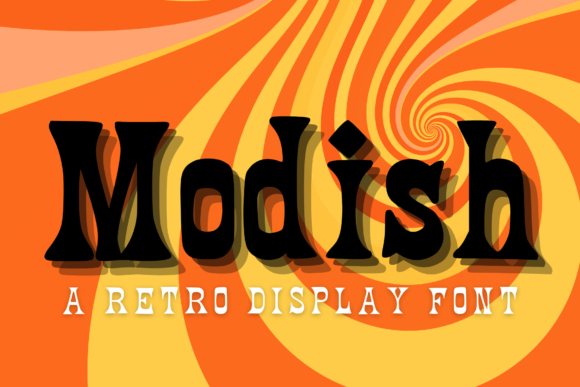
Modish is a display font designed with a retro flair that evokes the warmth and personality of mid-century design. Available in both regular and bold weights, this typeface carries a sense of nostalgia without feeling outdated. Its clean lines and balanced curves make it ideal for headlines, logos, and other visual elements where a strong typographic presence is needed. Whether you're running a boutique, a café, or an online shop, Modish can help your brand stand out with a look that feels both timeless and intentional.
How Modish Elevates Real-World Business Materials
From product labels to social media posts, Modish works well in a variety of applications. Here are a few ways small business owners can use this font effectively:
- Logo design – Use Modish as your primary logo typeface for a vintage-inspired brand mark that feels unique and polished.
- Packaging design – Whether you sell handmade candles or artisanal coffee, Modish adds a retro touch to product labels and boxes.
- Printed marketing materials – Flyers, business cards, and thank-you notes look more cohesive and professional when using a consistent font like Modish.
- Social media graphics – Instagram stories, Pinterest pins, and Facebook posts benefit from the visual appeal of a curated font.
- Website banners and digital ads – Modish makes headlines and calls to action stand out on screens, helping drive engagement and brand recognition.
When to Use Modish in Your Branding Strategy
Because Modish is a display font, it works best in settings where readability isn't the only priority. It’s ideal for headlines, logo text, and accent elements rather than long-form body copy. Here’s how to use it strategically:
- Headlines and titles – Use Modish in blog headers or promotional banners to draw attention and set a visual tone.
- Logo and brand marks – Especially in bold weight, Modish gives logos a distinct personality that helps with brand recall.
- Accent typeface – Pair Modish with a clean sans serif font like Arial or a readable serif font to create contrast and visual interest.
- Supporting visuals – Use it in stickers, menu headers, or signage where a touch of vintage style enhances the overall design without overwhelming the message.
Consistency Builds Trust – Modish Helps You Deliver It
One of the most important aspects of brand identity is consistency. When your fonts, colors, and imagery align across all materials, customers begin to recognize and trust your business more easily. Modish offers a consistent visual language that can be used across your packaging, website visuals, and printed materials, helping your brand feel more established and intentional.
For example, imagine you own a small bakery. Using Modish on your cupcake labels, social media posts, and storefront signage creates a unified look that customers can instantly associate with your brand. Similarly, if you run a coaching business, using Modish in your digital ads and email headers gives your marketing a polished, professional edge that reflects your expertise.
Readability and Practical Design Considerations
While style is important, readability is key—especially when working with display fonts. Modish is designed with clarity in mind, making it a good choice for use in both print and digital formats. However, it's best used at larger sizes where its character and personality can shine without compromising legibility.
When applying Modish to small labels, mobile screens, or thumbnails, test the font in those contexts first. Sometimes a bold version will work better than regular in smaller sizes. Always ensure that your font choice supports your message rather than obscures it.
Testing Modish Before Full Brand Integration
Before committing to Modish across your entire brand, it's wise to test it in a few key areas. Start with a single element—like a new social media template or product label—and see how it looks in practice. Compare it with other fonts you’ve used before and get feedback from customers or team members if possible.
You can also mock up your logo, packaging, or website headers using Modish to see how it fits with your current brand colors and imagery. This trial period helps ensure that the font aligns with your brand’s personality and practical needs before you invest time and resources into a full rollout.
Simple Font Pairing Ideas with Modish
Font pairing is a powerful way to enhance your brand’s visual identity. Modish pairs beautifully with clean, minimalist typefaces that let it shine without competing for attention. Try these combinations:
- Modish + Open Sans – A modern sans serif that balances Modish’s retro look with a fresh, readable base.
- Modish + Georgia – A serif font that complements Modish’s vintage style while maintaining readability in longer text.
- Modish + Montserrat – A geometric sans serif that brings a modern twist to Modish’s nostalgic charm.
Use Modish for headlines and accents, and pair it with a more neutral font for body text. This ensures your designs are both expressive and easy to read.
Check Licensing Before You Launch
Before using Modish on product packaging, templates, or client work, always check the font’s licensing terms. Most display fonts come with specific usage rights that may vary depending on whether you're using them for digital content, merchandise, or commercial projects. Ensuring that Modish is properly licensed for your intended use helps protect your business and maintain professionalism in your design assets.